
Subscribe and receive email notifications of new blog posts.
 RSS Feed
- 2026 | 44 Posts
- 2025 | 43 Posts
- 2024 | 30 Posts
- 2023 | 37 Posts
- 2022 | 61 Posts
- 2021 | 41 Posts
- 2020 | 26 Posts
- 2019 | 2 Posts
15
5 Simple Ways to Declutter Your Home Before Selling - A Winning Strategy
5 Simple Ways to Declutter Your Home Before Selling
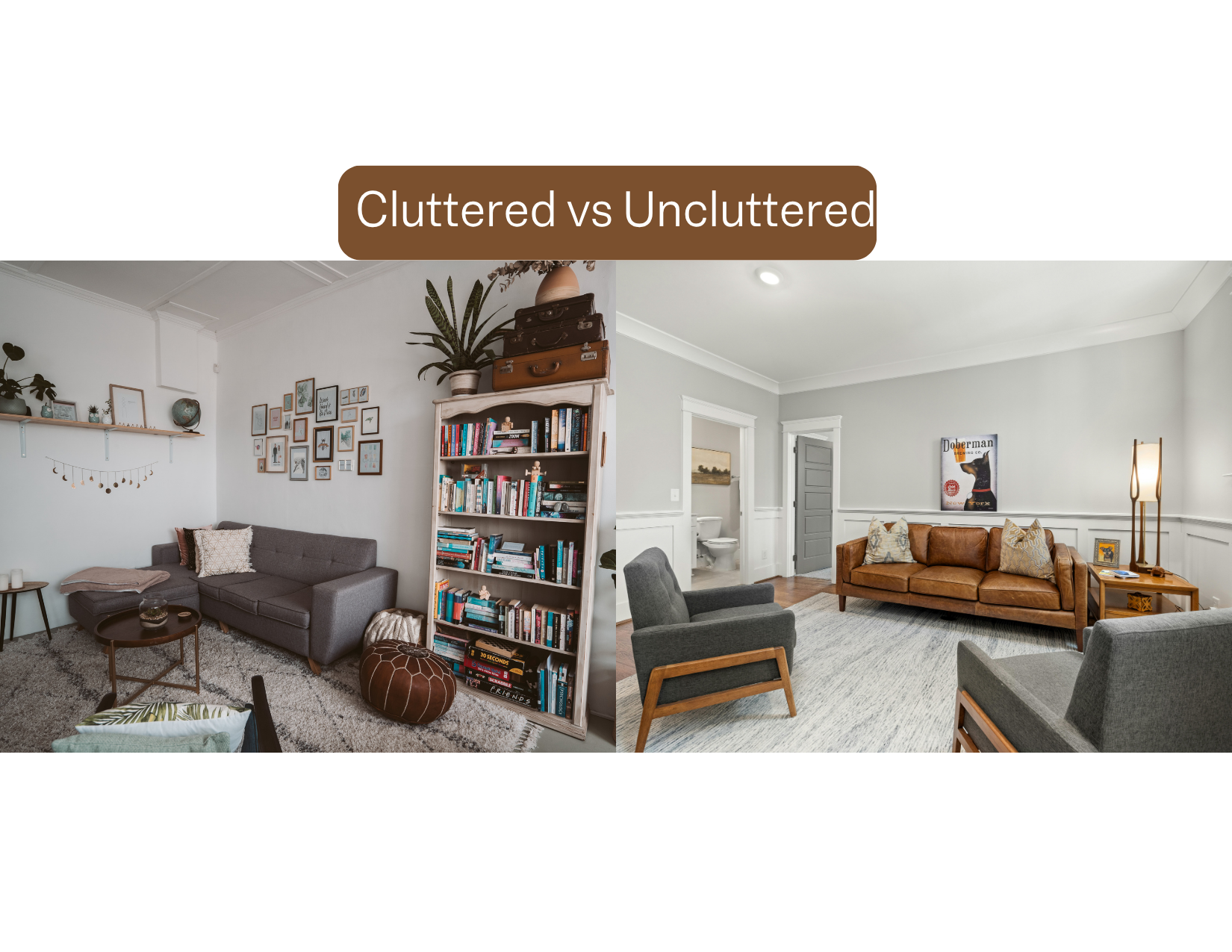
If you're thinking about selling your home in Spokane, the timing is worth paying attention to. The local market currently has a limited supply of homes, well below the six months typically needed to reach a balanced market, and homes that are priced right and presented well are still attracting competitive offers. With a median home value hovering around $400,000 and nearly 28% of Spokane homes selling above asking price in early 2026, sellers who put their best foot forward stand to benefit considerably.
That said, Spokane buyers today are more discerning than they were a few years ago. They have more options to compare, and overpriced or poorly presented listings are sitting longer. That's where decluttering comes in. First impressions aren't just important, they're everything. Buyers form an opinion within seconds of walking through the door, and clutter is one of the fastest ways to derail that critical moment.
The good news? You don't need to spend thousands on professional staging to make a powerful impact. These five simple decluttering strategies can meaningfully boost your home's appeal and ultimately, its sale price.
1. Start With a Room-by-Room Audit
Before you remove a single item, take a deliberate walk through every room with fresh eyes. Better yet, bring a trusted friend or neighbor who can offer an outsider's perspective, someone who won't overlook the stacks of mail on the counter or the overflowing bookshelf you've long since stopped seeing.
As you go, sort everything into four categories:
- Keep — items you use regularly and that contribute to the home's aesthetic
- Store — belongings you'll want after the move but don't need on display
- Donate or sell — items in good condition that no longer serve you
- Discard — anything damaged, expired, or without a clear purpose
This systematic approach prevents the overwhelm that causes many sellers to give up mid-process. Tackling one room at a time also creates visible momentum, which makes it easier to stay on track through the entire home.
Pro tip: Focus your first session on high-traffic areas: the entryway, living room, and kitchen. These spaces carry the most weight in a buyer's first impression.
2. Depersonalize Your Space Strategically
One of the most counterintuitive aspects of preparing a home for sale is the need to make it feel less like yours. Family photos, children's artwork, personal collections, and religious or political items can all prevent buyers from mentally "moving in", which is exactly the emotional response you're trying to inspire.
This doesn't mean stripping the home of all warmth. The goal is to create a neutral, aspirational backdrop, similar to what you'd find in a well-appointed hotel or model home. A few curated decorative pieces are welcome; a gallery wall of family portraits spanning 20 years is not.
Pack away personal items thoughtfully (this is the start of your move, after all) and replace them with simple, universally appealing decor like fresh greenery, clean-lined artwork, or neutral textiles.
Why this matters for SEO and search: Homes that photograph well generate significantly more online interest. With the majority of buyers beginning their search online, depersonalized spaces tend to produce cleaner, more compelling listing photos.
3. Tackle Storage Areas First
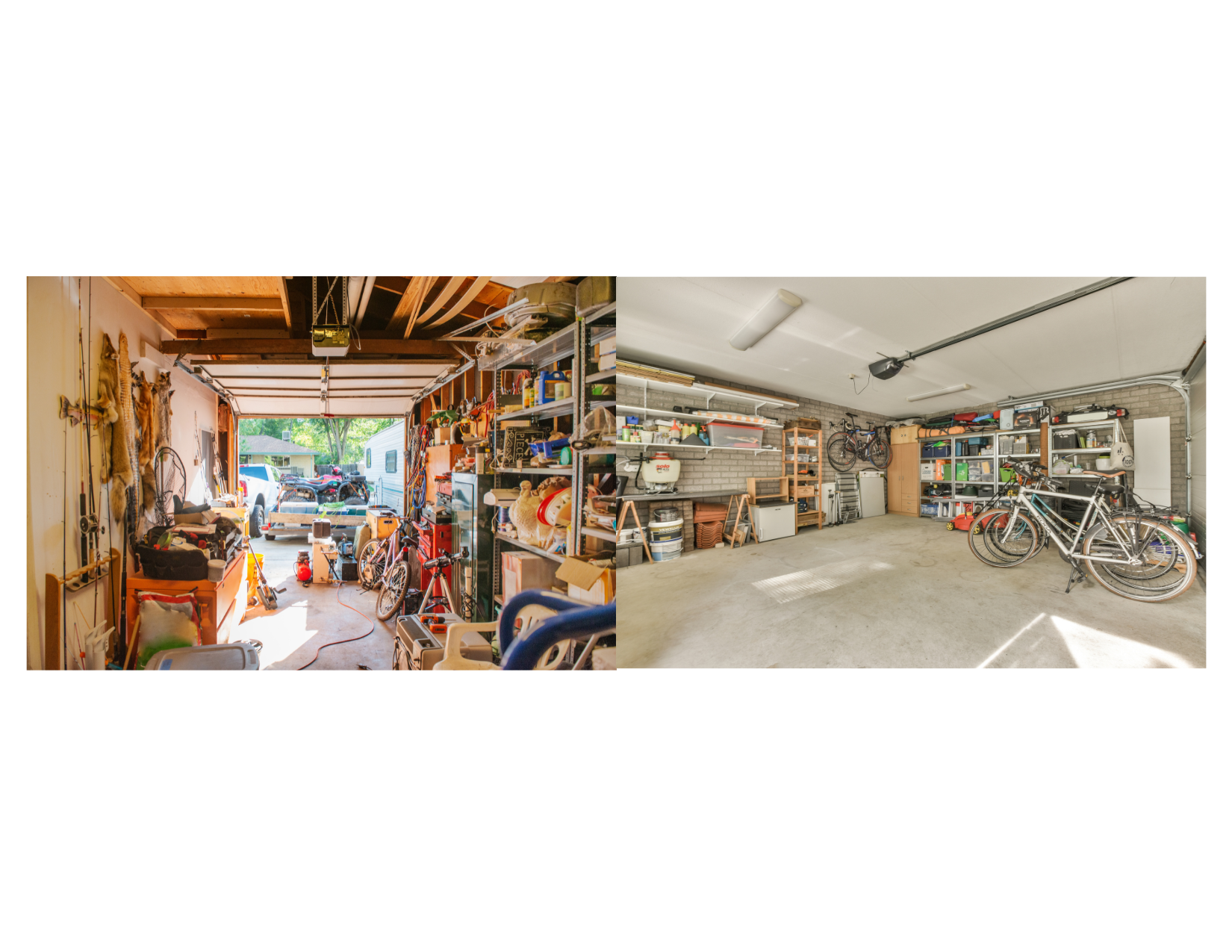
Buyers will open your closets. They will peek in the garage. And what they find there directly influences their perception of how much storage the home actually offers.
Overstuffed closets suggest a lack of storage space even if the closets themselves are a generous size. On the other hand, a well-organized, partially filled closet communicates that the home has room to breathe.
Prioritize these storage areas:
- Primary bedroom closet — this is one of the most scrutinized spaces in any showing
- Kitchen cabinets and pantry — remove duplicate items, expired food, and rarely used appliances
- Bathroom vanities and medicine cabinets — clear out personal care products and medications
- Garage and basement — rent a storage unit if necessary; it's a worthwhile investment. In Spokane, where outdoor recreation is a major lifestyle draw, garages often double as gear storage for skis, bikes, kayaks, and camping equipment. During a showing, that gear signals a full life — but it can also make a two-car garage look like a one-car garage. Box it up and move it out.
If your belongings don't fit neatly after decluttering, renting a short-term storage unit is far less expensive than a price reduction and far more effective than cramming everything into a closet.
4. Clear the Surfaces
Countertops, tabletops, mantels, and shelving are where visual clutter accumulates most quickly and where buyers focus most intently. Cluttered surfaces make rooms feel smaller and spaces feel chaotic, both of which undermine a buyer's confidence in the home.
Apply a simple rule: if a surface item isn't actively beautiful or functional to the home's presentation, remove it. In the kitchen, this typically means storing the coffee maker, toaster, knife block, and dish drying rack. In the bathroom, everything except one or two tasteful accessories should be stored out of sight.
The surfaces you choose to style should feel intentional. A kitchen counter with a single wooden cutting board and a small potted herb plant reads as stylish and lived-in, without the chaos of a fully operational household.
Surfaces that deserve special attention:
- Kitchen and bathroom countertops
- Dining table and buffet
- Fireplace mantel, this is particularly relevant in Spokane where wood-burning fireplaces and hearths are a genuine selling feature. A clear, tastefully styled mantel draws attention to this asset; a cluttered one buries it.
- Entryway tables and benches
- Windowsills
5. Edit Your Furniture for Flow and Space
Decluttering isn't limited to small objects and personal items, furniture placement plays a significant role in how large and livable a space feels. Extra pieces can block natural pathways, make rooms feel cramped, and distract from the home's architectural features.
Walk through each room and ask: does this piece of furniture improve the room's function and feel, or does it simply fill space? Common offenders include:
- Extra side tables or accent chairs that interrupt traffic flow
- Large entertainment centers or bulky bookshelves in smaller rooms
- Multiple sofas or chairs that crowd a living room
- Exercise equipment stored in bedrooms or living areas
Consider placing excess furniture in storage for the duration of your listing period. A room with fewer, well-chosen pieces will almost always photograph better and show better than one that's fully furnished but tight.
A note on rugs: Area rugs that are too small or too large for a room are a surprisingly common issue in home staging. The right rug anchors a seating area and makes the room feel cohesive; the wrong one highlights spatial awkwardness.
The Bottom Line
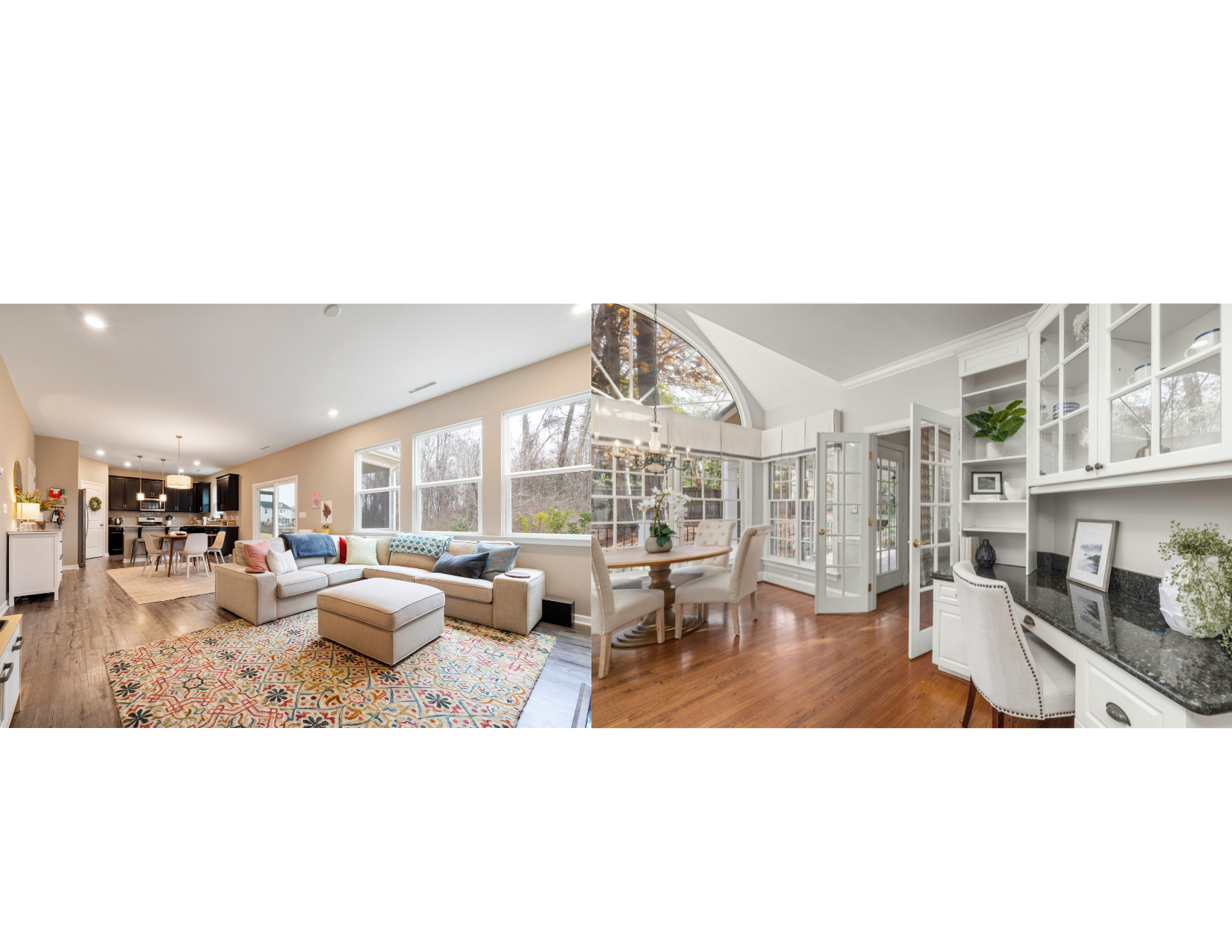
Decluttering before listing is one of the highest-return investments a Spokane seller can make and it costs far less than a kitchen renovation or new flooring. In a market where buyers are comparison-shopping more carefully and well-presented homes are still the ones generating the strongest offers, the condition and presentation of your home matters more than ever.
Spring and early summer are historically the strongest selling months in Spokane, with demand peaking between February and July. If you're planning to list in that window, now is the time to start. A room a day over the course of a few weeks is far less stressful than a rushed sweep the weekend before your listing goes live — and it gives your agent the best possible product to bring to market.
Selling your Spokane home this season? Message today for a personalized home valuation and expert guidance through every step of the process.

|
 |
